AR USER FLOW & FEATURE PLANNING
2024
A Museum Project
Interactive Visual Design
& Technics Integration by
Ultra Combos
Client: GIANT
Agency: Cogitoimage International
Interactive Visual Design
& Technics Integration by
Ultra Combos
Client: GIANT
Agency: Cogitoimage International
In late 2020, GIANT — the world’s largest bicycle brand — opened the Cycling Culture Museum, the first museum globally to merge bicycle culture with digital experiential design. Tracing the evolution of cycling from history, technology, craftsmanship, human factors, environment, to urban policy, the museum presents a comprehensive journey that introduces global audiences to the multifaceted culture of bicycles.
Given the museum’s scale and rich curatorial content, a seamless spatial and narrative strategy was essential. Our team was commissioned to design the museum’s digital experience system, shaping visitor engagement through a user-centered approach that blends technology and aesthetics. Through extensive brand design, interactive installations, motion design, and immersive theater experiences, we created a dynamic environment that allows visitors to fully enter and explore the world of cycling culture.
Given the museum’s scale and rich curatorial content, a seamless spatial and narrative strategy was essential. Our team was commissioned to design the museum’s digital experience system, shaping visitor engagement through a user-centered approach that blends technology and aesthetics. Through extensive brand design, interactive installations, motion design, and immersive theater experiences, we created a dynamic environment that allows visitors to fully enter and explore the world of cycling culture.


How should we build bike-friendly city from the perspective of urban environment? Taking road construction, public bicycle systems, transfer of transportation, and the establishment of traffic regulations for bicycles, etc. into consideration, in addition to the careful planning of the government, we need everyone to participate together in creating a friendly environment shared by people and bicycles.
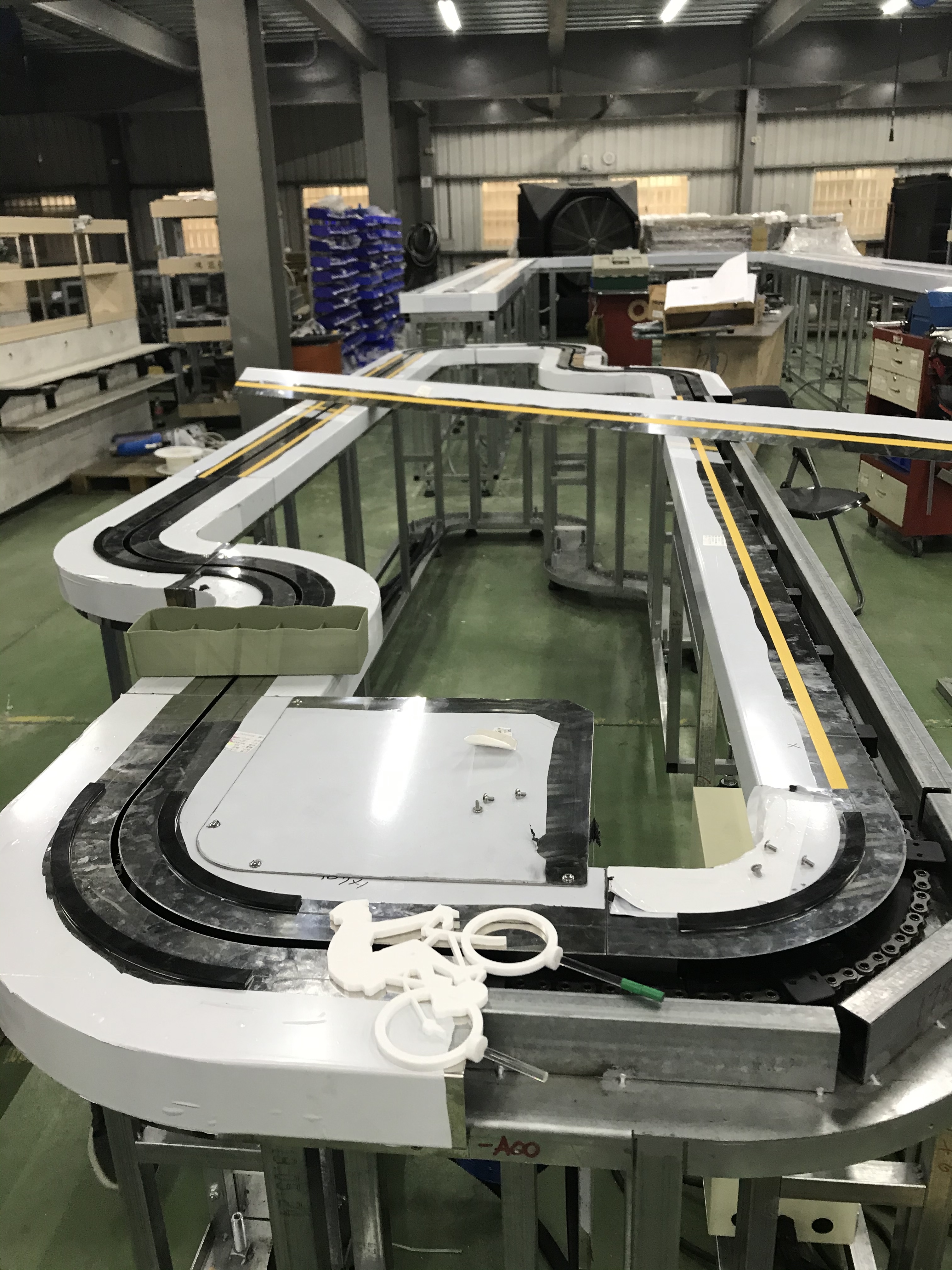


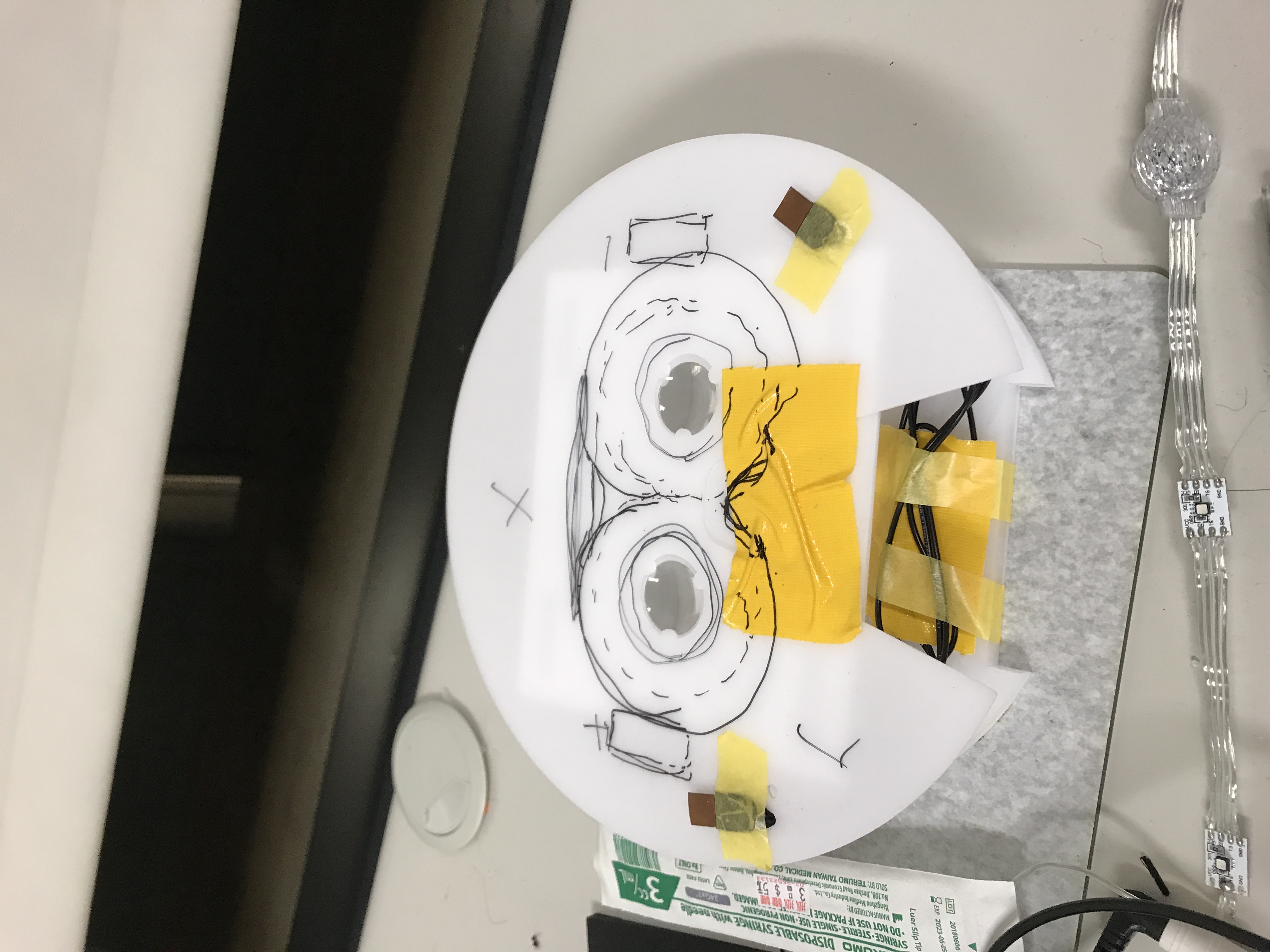
Visitors can operate the interface on the model to summon small bicycles, bringing forth various big data related to bicycles, including environmental climate, social economy, time and space, and energy and resources, etc.
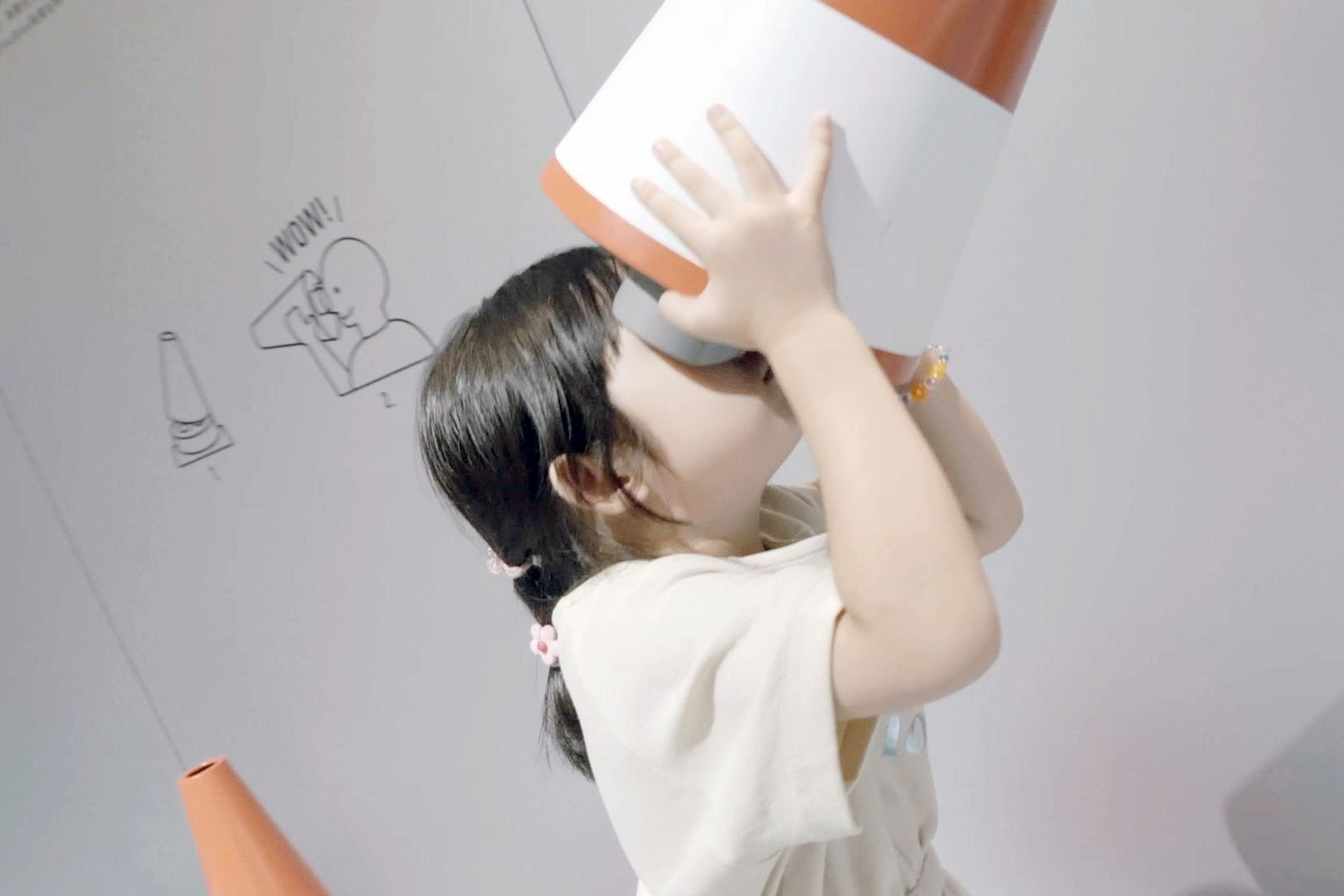
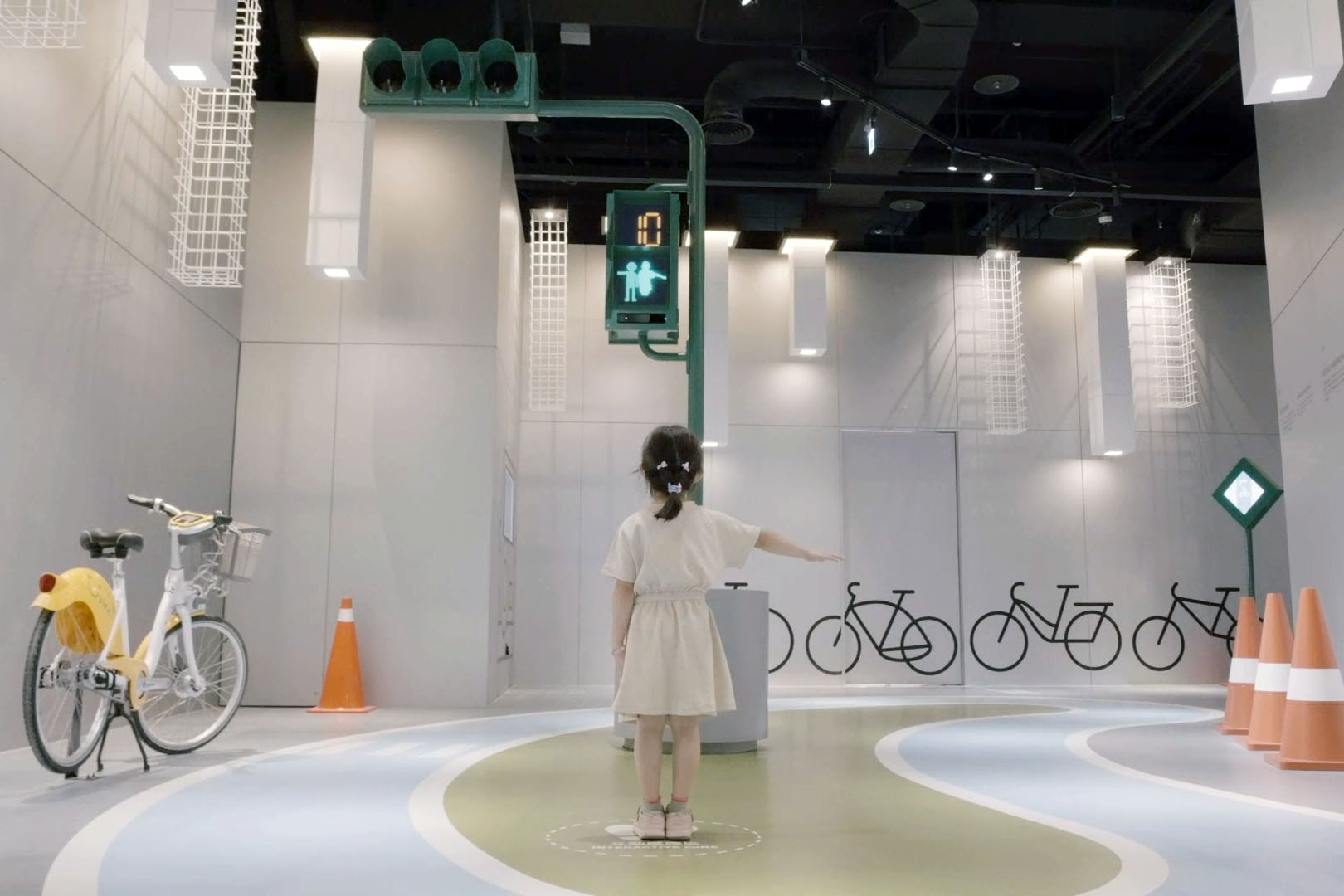
We designed a number of interactive exhibition areas that are easy to understand, ranging from the etiquette of bicycle use, safe cycling distance, and correct cycling hand signals, to the introduction of examples of major bike-friendly cities in the world, and summarizing all of this with a huge model of a bike-friendly city.


Speaking of the relationship between the bicycle and the individual, each person’s body shape, personality, and preferences are unique; there aren’t any two people in the world who are exactly the same, so how do you choose a suitable bicycle? Also, besides commuting, are there other methods, tools, and paths, where more fun can be found in cycling?


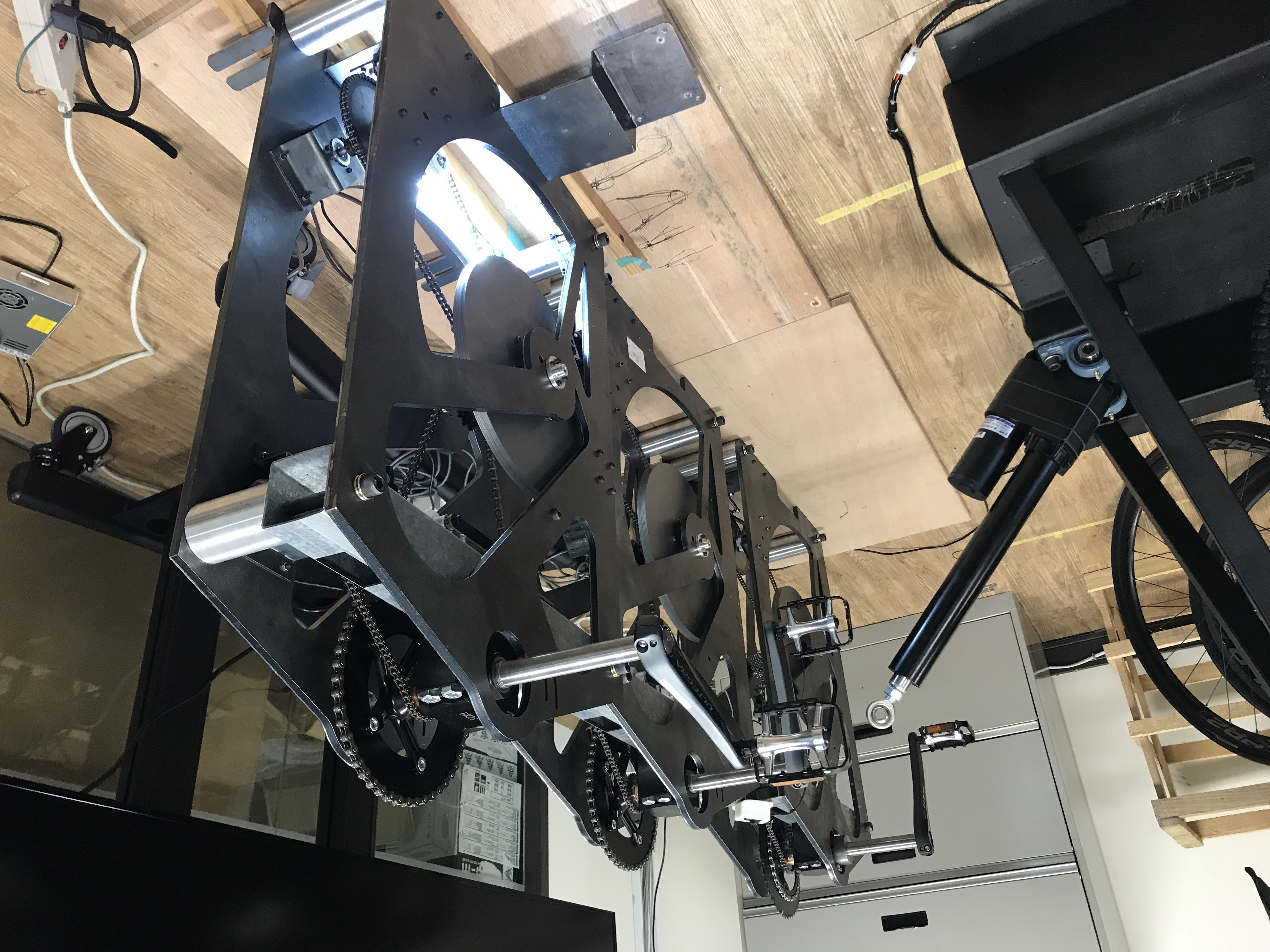

In order to talk about these relatively rigid and difficult-to-understand technologies, apart from laying out all types of knowledge in front of the visitors, there is bound to be a more entertaining approach, and this is where interactive design come into play with its great advantages. We try not only to make knowledge interesting and easy, but to guide the visitors to really experience wind resistance produced by the air on the frame through “wind movement,” and to sense the difference of various chainwheels through “rotation.”
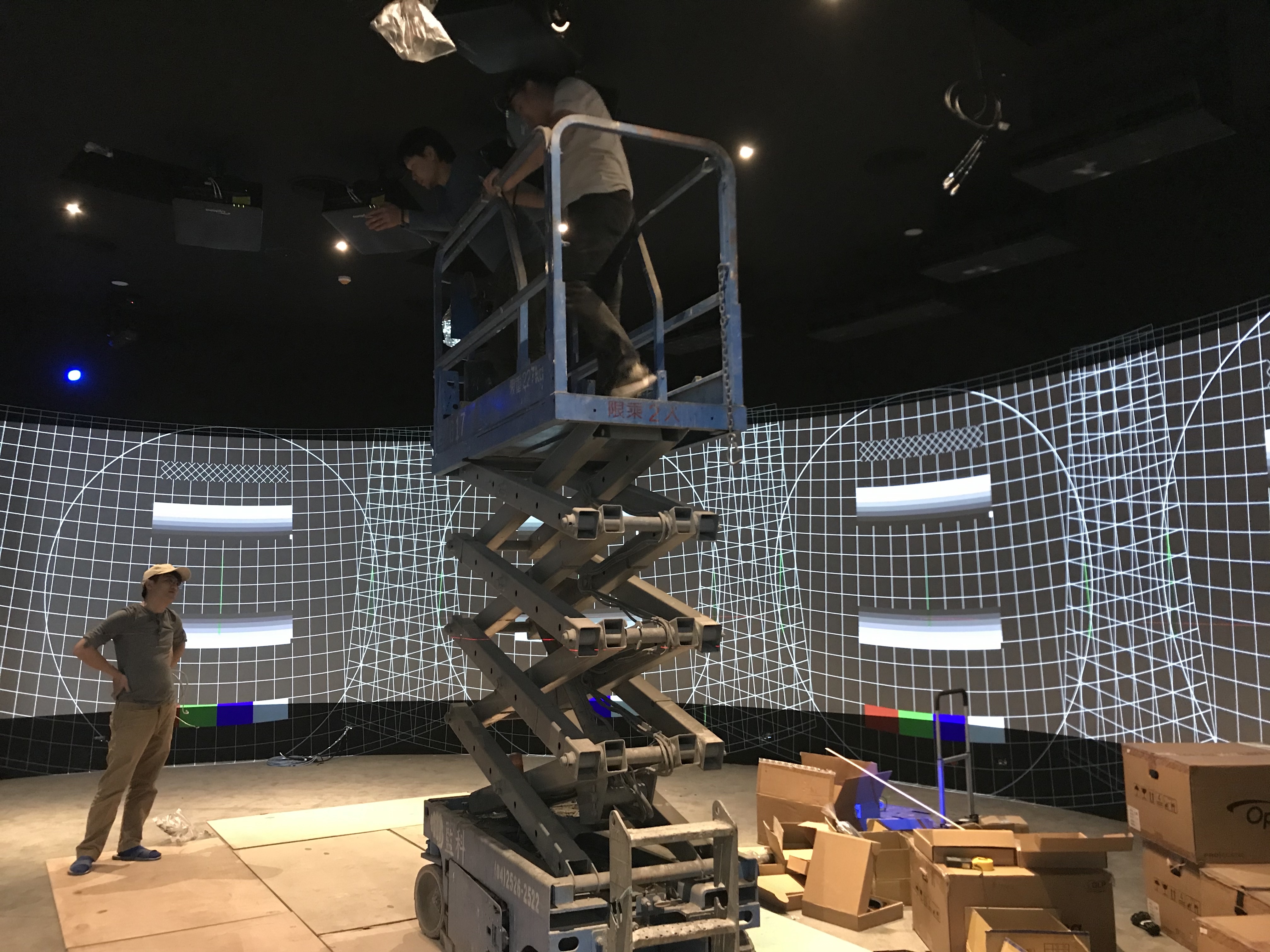

After having experienced what the museum has to offer, at the end of the cycling journey, we need to give the audience a retrospective summary, for them to have an ardent desire to experience the emotions of cycling. For this, we created an eight-minute immersive theater, where through video, audio, wind, scent, and interactive design, the sense of speed, lifestyle, and gallop in cycling is simulated; hence, creating the various facets of cycling culture.